Finding cars for sale in Nigeria has never been the hard part. Open any marketplace, walk into any dealer's yard along Lekki-Epe, join one of those WhatsApp groups where somebody posts forty photos before breakfast, and you will see options. Plenty of them.
The hard part comes later. You are standing in front of one specific car, your own money is in the balance, and you need to know two things nobody in that compound is going to tell you: whether the price is honest, and whether this thing will still be moving well in eighteen months when the excitement has worn off.
That is what this guide is for. The prices in it come from the 4,664 cars currently advertised on CarSpace, so they are what sellers are asking this week rather than what somebody paid in 2019 and has been quoting ever since. But the prices are the easy part. Most of what follows is about what to check and when to walk away.
One thing before we start. These are asking prices, and in this market the first number is understood by everybody to be a first number. Expect most sellers to come down 5% to 15% for a serious buyer who is paying quickly. "My brother, that is last price" is rarely last price.
The one decision that sets everything else
Used cars in Nigeria sort into three grades, and the gap between the first two is wider than most first-time buyers are ready for.
Tokunbo, meaning foreign used, is about six in every ten cars advertised, and usually asks between ₦12 million and ₦39 million.
Nigerian used is most of the rest, usually between ₦4.8 million and ₦11 million. Brand new barely features.
So an import costs roughly three times what a local car costs. That premium is neither a scam nor a bargain. It is a trade, and which side of it you belong on depends on your budget, your mechanic, and how long you intend to keep the car. Almost everything else in your ownership follows from that one choice, so take the next two sections slowly.
What the word tokunbo does and does not promise
A tokunbo car was used abroad, usually America, sometimes Canada, Europe or the Gulf, then shipped in. The appeal is real: better roads, a stricter service culture, and a history you can sometimes verify with a VIN check before you hand over a kobo.
But the label only tells you where the car came from. It says nothing at all about the condition it arrived in. Salvage-title cars from American auctions land at our ports every week, get straightened, sprayed, and sold at clean-car prices to buyers who never thought to ask. Treat the grade as the place your questions start.
What Nigerian used gives you instead
Nigerian-used cars carry a stigma they have not entirely earned. Yes, the car has seen our roads, our fuel and possibly a roadside mechanic with more confidence than training. Nobody is pretending otherwise.
What you get in exchange is a local history you can trace with your own hands. You can meet the person who owned it. You can ask which mechanic serviced it and then go and meet that mechanic. You can ask why they are selling and watch how they answer. That is real information, and most buyers undervalue it badly.
At a third of the price of an import, this is where the value sits for most Nigerian buyers, provided you inspect properly. That "provided" is carrying the weight of this entire article, which is why half of what follows is about inspection. If you are shopping this grade in Lagos specifically, we go deeper on spotting the honest ones in this guide.
What your money reaches
The practical version. Find your figure below.
- Under ₦5 million. Nigerian-used saloons, mostly 2005 to 2012. Corolla, Civic, Matrix, older Accord. Plan to spend money after you buy, not only to buy: budget ₦300,000 to ₦600,000 for tyres, suspension and a proper service. Be aware you are shopping a thin slice of the market here, so patience matters more than at any other budget.
- ₦5 million to ₦10 million. The heart of it. Clean Nigerian-used Camry, Corolla, Sienna or Venza, or an older tokunbo saloon. The widest choice anywhere on the ladder, which means the most leverage in a negotiation: there is always another one.
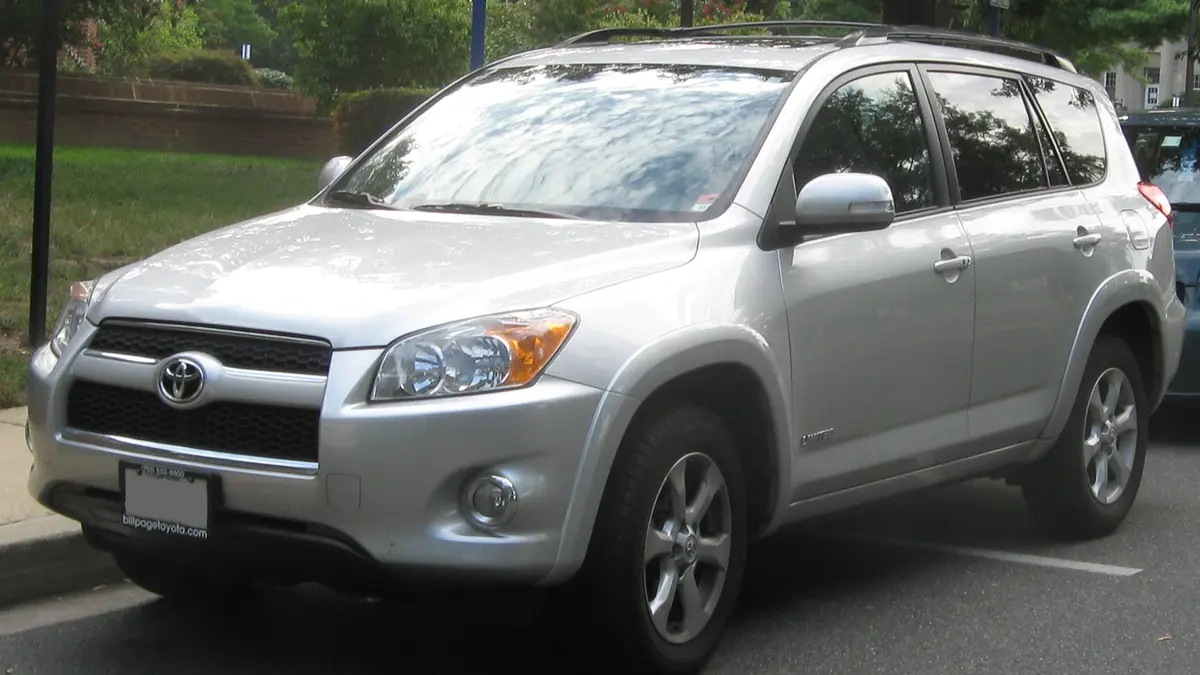
- ₦10 million to ₦20 million. Tokunbo saloons and Nigerian-used SUVs. RAV4, Highlander, ES 350, C300. Crossovers start making sense around here, and this is the busiest part of the market.
- ₦20 million to ₦40 million. Tokunbo SUVs in genuinely good shape. RX 350, Highlander, newer Hilux. Also where 2018 to 2020 cars start showing up in volume rather than as one-offs.
- ₦40 million and above. Recent tokunbo Prado and full-size SUVs, the Mercedes GLE, or brand new at the friendlier end of franchise pricing.
Which cars to actually shop for
You can ignore most of what is advertised. A handful of cars make up the bulk of the market, and they are the ones you want, for a reason that has nothing to do with how they drive.
Buy something common. A Camry or a Corolla can be fixed in any town in this country, on a Sunday, by a man who has seen fifty of them. No waiting a week for a part, no mechanic reaching for a manual. That is the difference between a car you own and a car that owns you, and it shows up again on the day you sell, because the next buyer wants it for the same reason.
The Camry is the safest thing on the board, and the deepest market in the country. There is always another one, and the seller knows it, which is leverage you will not get anywhere else. Nigerian-used ones mostly sit in the ₦4.5m to ₦8.5m range. We go through it generation by generation in the Camry guide, because an older one and a newer one are completely different purchases.
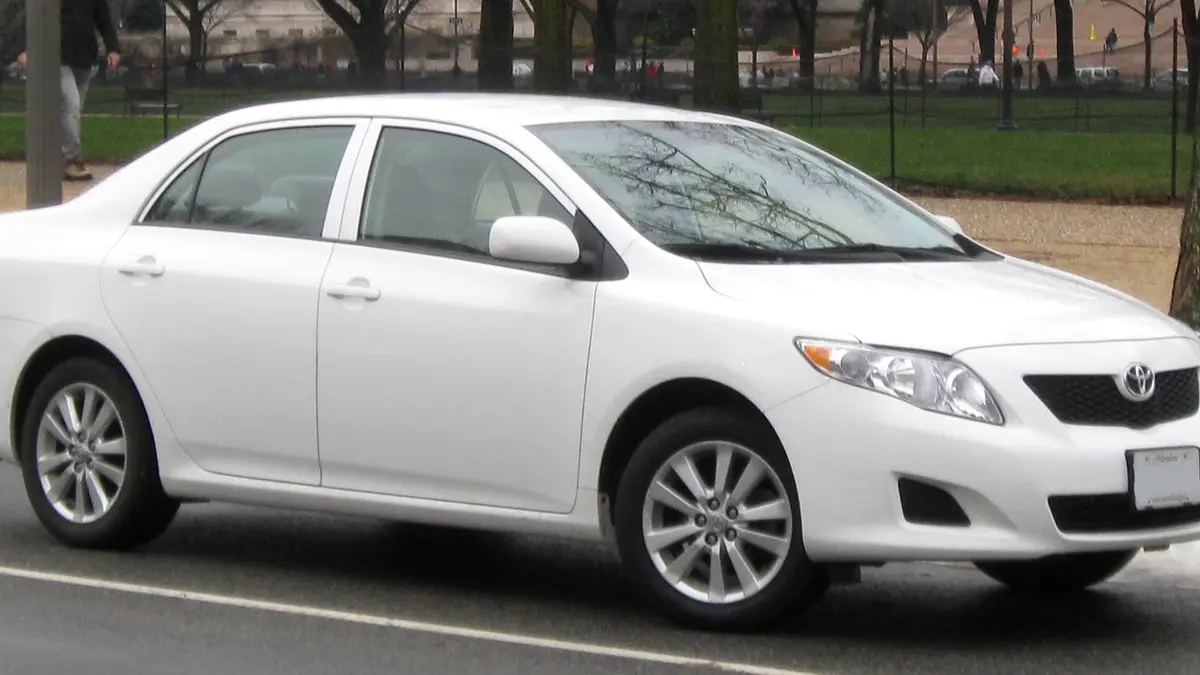
The Corolla is the one to buy if the budget is tight and the car has to start every morning. Cheaper than the Camry, nearly as cheap to keep, and it will sell itself when you upgrade.
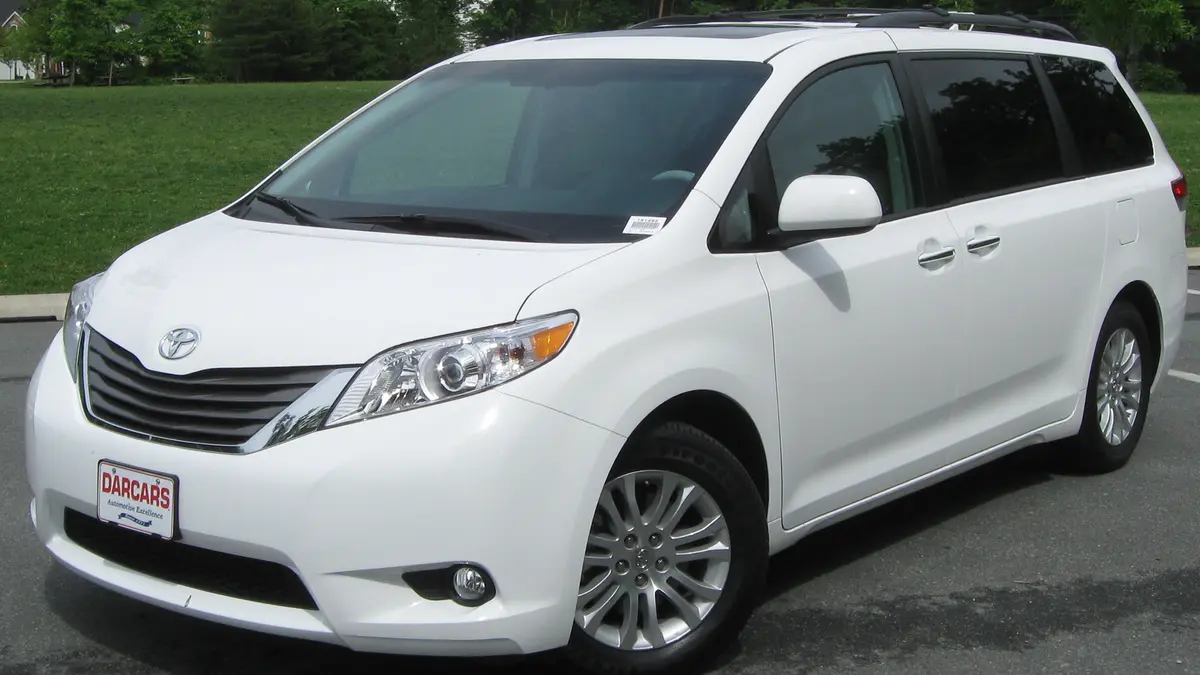
Need the space? The Sienna is the quiet value pick for a family, usually around ₦6m Nigerian-used. The Highlander costs more and gives you the SUV stance, and it holds up well on our roads.
Two cars the market treats unfairly, which is where the value hides. The Honda Accord and the Lexus ES 350 are both better than their resale prices suggest. The Accord in particular goes for less than it deserves, and the reasons are reputational rather than mechanical. If you are willing to buy the car other people are nervous about, you keep the difference.
And one to be careful with. The Hilux looks like a bargain next to an SUV until you remember what they are used for. The ones that reach a marketplace have usually worked hard. Buy one only with a mechanic beside you.
Avoid anything rare. A car nobody else here owns means a part nobody stocks and a mechanic guessing at your expense.
The cheapest trick in this market
People shop by brand. The market prices by year, and it does it in steps rather than a smooth slope.
The expensive step is the one between 2014 and 2015. Cross it and the price more than doubles, for five model years and very little you can feel from the driver's seat. A good 2014 will not embarrass you next to a 2015.
So if your money is tight, shop just underneath that line. The difference you keep will fund two years of maintenance with change left over, and that is the single best move available to a buyer in this country. The same logic applies further down: a 2009 costs noticeably less than a 2010 for reasons that are closer to the calendar than the car.
Where the cars are
Two cities carry almost the whole market. Abuja is a little over half of everything advertised and Lagos a third. Everywhere else put together is the remaining tenth, so if you are outside those two, the car you want is probably not in your state.
If you are in Lagos or Abuja, use the choice you have. Never buy the first car you see. See three of the same model before you make a single offer, because the third one teaches you what the first two were hiding. The Lagos buying guide covers which markets are honestly worth your Saturday, and the market-by-market map goes area by area.
If you are outside them, your local options will be thinner and travelling is often worth it, but only with a firm plan. Do not board a bus to Abuja on the strength of eight photographs and a phone call. Agree the inspection arrangement before you leave your house. Browse by location: cars for sale in Lagos, Abuja, or Rivers State.
One more thing the location data quietly tells you: Abuja prices tokunbo well above Lagos, while Lagos asks slightly more for Nigerian used. We put real numbers to that split in what used cars cost in 2026, and it is large enough to be worth a phone call across the country.
The inspection that saves you millions
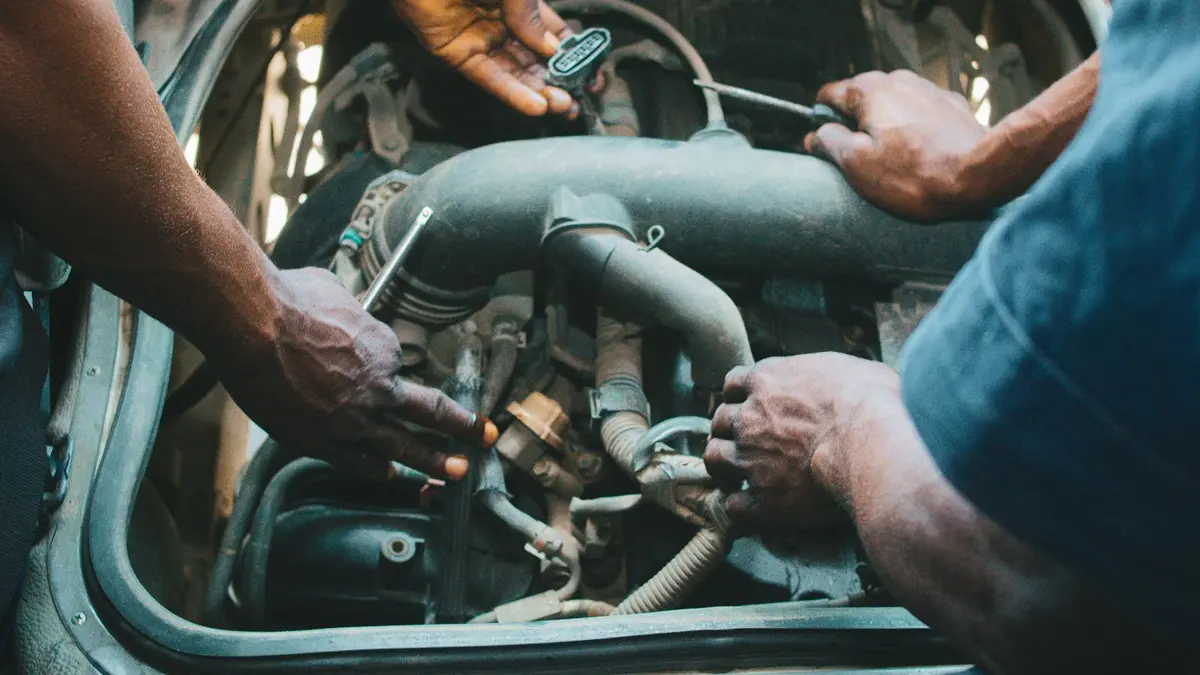
Bring your own mechanic. Not the seller's mechanic. Not the helpful man who materialises at the gate offering to check it for you. Your own, and pay him properly for his time and transport. Twenty thousand naira spent here has saved buyers two million more times than anybody has bothered to count.
Insist on seeing the car cold. If it has been warmed up before you arrive, something is being hidden, and the most expensive faults in this market are precisely the ones that only announce themselves on a cold start.
- Panel gaps and paint. Stand at the front corner and run your eye down the side of the car in daylight. Uneven gaps around doors, bonnet or boot mean accident repair. A small magnet run along the lower panels will find body filler where paint alone will not.
- Under the bonnet. Mismatched bolts, fresh paint on the inner wings, or a suspiciously spotless engine bay on a fifteen-year-old car. Clean is good. Steam-cleaned and still dripping is a cover-up.
- Oil and coolant. Milky oil on the dipstick means water is getting into the engine. Oil floating in the coolant reservoir is the same conversation from the other direction. Either one, thank them and leave.
- The cold start. Listen for knocking, watch the exhaust. Blue smoke is burning oil. White smoke that does not clear after a minute is a head gasket. Black smoke is a fuel problem.
- Gearbox. An automatic should slide between gears with no thud. Test drive and reverse from cold. Our traffic is brutal on transmissions, and a rebuild is one of the few repairs that can cost more than a cheap car is worth.
- Air conditioning. Non-negotiable in this climate. Let it run a full ten minutes. Plenty of units blow beautifully cold for two minutes and give up quietly after five.
- Suspension. Push down hard on each corner. It should settle in one bounce, not three. On the road, listen for knocking over potholes, and finding a pothole to test it on will not be the difficult part of your day.
- Every electronic thing. Each window, each lock, every light, the reverse camera, the infotainment screen. Small faults individually. Collectively, a long and expensive Saturday.
- Diagnostic scan. Any decent mechanic carries a scanner now. Codes cleared before you arrived will reappear after a ten-minute drive, and they will tell you exactly what the seller hoped you would not find.
If tokunbo is where you are leaning, add one step ahead of all nine. Run the VIN through a history report before you travel to see the car at all. It costs a few thousand naira, takes minutes, and a salvage title shows up there long before it shows up under fresh paint. Browse tokunbo cars for sale and notice how many sellers volunteer the VIN in the listing. The ones who do not are telling you something.
Papers, the part everybody rushes
More car deals go wrong in this country over documents than over engines. Do not let a good price and a good mood carry you past this section.
- Customs papers on any tokunbo car. Confirm the duty was properly paid and that the papers match the chassis number on the car itself. A "duty not paid" car is cheaper for a reason, and that reason becomes yours the moment money changes hands.
- Chassis number match. The VIN on the dashboard, the VIN on the door jamb and the VIN on the documents must all agree. All three, checked with your own eyes, not from a photograph.
- Proof of ownership and a clean change of ownership at the licensing office. If the seller's name is not on the papers, you need a complete and convincing explanation before anything moves.
- Vehicle licence, roadworthiness certificate and insurance. Establish what is current and what you will be renewing immediately, because that is money you are spending next week whether you planned for it or not.
- A police report check if anything at all feels wrong. Stolen vehicles do circulate here, and recovering money afterwards has never once been a realistic plan.
When to walk away
- A price well below every comparable listing. Check it against the ranges above. Nobody in this market accidentally underprices themselves by 40%.
- Pressure. "Somebody else is coming this evening" is the oldest line in the business. A good car will survive you sleeping on it.
- Any deposit before you have physically seen the car. Any amount, any reason. There is no legitimate version of this request.
- Refusal to let your mechanic inspect it. This one ends the conversation on its own, and you do not need to hear the explanation being offered.
- Papers "coming next week". They are not coming next week.
- A seller who will not meet somewhere public and verifiable, or who keeps shifting the location on you.
Where to start, depending on who you are
- First car, tight budget. Nigerian-used Corolla or Civic, 2008 to 2012, ₦4m to ₦6m. Cheap to run, fixable anywhere, easy to sell on when you move up. Start with Toyota Corolla listings.
- Family, needs the space. The Sienna is the value pick, usually around ₦6m Nigerian used. Highlander if you want the SUV stance and can stretch. See Highlander listings or browse all Toyota.
- Daily commuter, comfort matters. Camry. Nothing else gives you this many to play off against each other. Browse Camry listings.
- Set on tokunbo. Budget from ₦12m realistically, and spend on a VIN history check before you spend on anything else. See tokunbo cars for sale.
- Hunting value. Honda Accord and Lexus ES 350, both Nigerian used. The market discounts them more than their engineering deserves.
- Want the saving, have the patience. Buy from the owner rather than a yard. Our no-middleman guide shows what that is worth and how to find them.
Buying on CarSpace
We built CarSpace on one conviction: you should be able to reach the person selling the car, directly, without a chain of agents each quietly adding their cut on the way to you. Every dealer profile carries their listings and their location. You contact them yourself. The price you see is the price the seller set.
Start with the full inventory of used cars for sale, or go straight to Nigerian-used cars or tokunbo. Filter by your state, set your ceiling, and use the ranges in this guide to judge whether what you are looking at is fair.
Take your time. Bring your mechanic. Check the papers twice, then check them again. The right car is out there, and unlike the seller's mysterious evening appointment, it is not going anywhere.