Everybody in Nigeria has heard the same advice about buying a used car. Skip the dealer. Find the owner. Buy direct and save yourself millions.
It is good advice, mostly. The problem is that it gets repeated with total confidence and almost never with a number attached, so buyers end up chasing a saving they cannot size, through a process nobody has explained, carrying risk they did not know they picked up.
So here is the honest version, checked against the 4,664 cars currently advertised on CarSpace. Private sellers usually do ask less. Sometimes they ask more, and knowing when is the difference between saving a million naira and wasting six Saturdays.
The reason you cannot find them
Start with the fact that reframes everything else.
Count the sellers on any Nigerian car marketplace and most of them are ordinary people with one car to sell. Count the cars, and almost all of them belong to a handful of yards. The ten biggest sellers between them carry more than three quarters of everything advertised.
That is why browsing feels the way it does. You scroll and it is yard after yard, the same photography, the same phrasing, the same six models. Owner-sold cars are in there, but they are roughly one listing in twenty, buried under the output of people who post cars all day for a living.
So the first skill in buying direct is not negotiation at all. It is finding them, and that changes how you search. Do not scroll the general listings hoping to stumble on an owner. Open a promising car, look at the seller's profile, and count their other cars. One or two, and you have found what you came for. Forty, and you can move on without making the call.
What the middleman is really worth
Here is where the folklore gets tested, and it half survives.
Compare the same model, at the same age, in the same condition, and the private seller usually does ask less than the yard. Not the forty percent that gets quoted in WhatsApp groups. More like a tenth to a quarter off, which on a ₦6 million car is somewhere around ₦700,000 to ₦1.5 million. Worth the extra Saturdays, and worth being realistic about before you spend six of them.
One thing to understand about why that gap looks bigger than it is. The big yards carry newer stock than private sellers do: their typical imported Camry is a 2016 against a private seller's 2012. So if you compare the cheapest private listing against the yard's forecourt price, you are measuring four model years, not anybody's markup. Always compare like for like, same year, same grade, or the saving you think you found is just an older car.
When the owner wants more than the dealer
It happens often enough that you need to expect it. On older imported Camrys and on Nigerian-used Highlanders, we found private sellers asking clearly more than the yards were asking for the same thing.
Anybody who has sat across from a private seller knows exactly why. Somebody selling their own car has a number in their head that is partly emotional. They know what they paid, what they have spent on it since, and what they feel it still owes them. The yard has no feelings about the car whatsoever. It has a cost price, a floor, and stock that needs to move before the month ends.
Which gives you the thing to remember on the way out the door. The saving is not automatic. It is available. You still have to find the right seller, and you still have to negotiate.
Why the gap exists at all
Not every naira of dealer markup is somebody cheating you, and walking in assuming it is will cost you deals you should have taken.
The yard carries costs you never see. Rent on the space. Security. Washing and detailing. Money tied up in a car that has been sitting three months. Sometimes duty and clearing on a tokunbo unit. Often a light refurbishment, new tyres, a service, a bit of panel work, and that is genuine value even if you could have paid a mechanic less to do it yourself.
What deserves pushback is the pure intermediation. The agent who heard about a car, brought a buyer, and added their cut to a transaction they contributed nothing to. That chain can run two or three people deep, each adding a slice, and the owner at the bottom often never learns what you finally paid.
That is the middleman worth cutting out. Not the dealer who did actual work.
Lagos is where the owners are
One clear pattern in our listings, and a useful one.
Nationally the market leans Abuja. Owner-sold cars lean overwhelmingly the other way: six in every ten of them are in Lagos, with Abuja a distant second.
That tracks with what is happening on the ground. Abuja is the import and resale trade, big yards moving imported stock. Lagos is where an enormous number of private individuals own cars, change them often, and sell them themselves.
So if buying direct is the plan, Lagos is where to look, and you should expect to do more filtering than a dealer buyer would. Start with cars for sale in Lagos and read our Lagos buying guide for which areas are worth the trip.
What you will find there is not exotic. The typical owner-sold car is around a 2012, mostly Toyota, split fairly evenly between saloons and SUVs, and between local cars and imports. Somebody's daily driver rather than somebody's stock, which is the whole point.
Spotting an owner in a listing
Before you call anybody, the listing itself tells you most of what you need.
- Count their other cars. The strongest signal there is. One car on the profile, or two, and you are almost certainly talking to an owner. Forty cars and you are talking to a business, whatever the listing says.
- Read how it is written. Owners write in the first person. "I bought it in 2019", "my wife drove it to work and back", "selling because I am relocating". Yards write specifications. Both are fine. They are just different conversations.
- Look at the photographs. A car shot in a compound, on a street, in front of a gate, usually belongs to whoever lives there. A car on swept concrete under even lighting with a banner behind it is stock.
- Check the mileage story. One owner, one city, a mileage that fits the years. Owners can tell you where the car has been. Somebody who bought it at auction last week cannot, and the honest ones will say so rather than invent.
- Watch for the agent tell. Anyone who can show you "many options" in your budget, or who answers questions about the car by saying they will check and come back, is standing between you and the owner. That is the markup you came here to remove.
If you want the fuller picture of grades, price bands and the inspection itself, our 2026 buyer's playbook covers all of it in depth. This guide assumes you have that part handled and focuses on the seller.
Vetting the person, not just the car
Buying from an owner removes a markup. It also removes a business with a location, a reputation and something to lose. You have to replace that safety with your own checks.
- The name on the papers must be the name in front of you. Not their brother. Not their oga who travelled. Not a company they used to work for. If the name differs you need documentation that explains it, and "I will bring it later" is not documentation.
- Call the number in the listing and listen. An owner knows their own car cold. Which mechanic services it, when the AC was last gassed, what the noise at the back is. Hesitation on basic history is the tell.
- Ask why they are selling, then stay quiet. Real reasons are boring and specific. Relocating, upgrading, bought a second car and no longer need two. Vague answers that shift between calls deserve attention.
- Ask for their mechanic's number. Owners usually have one and hand it over without thinking. That mechanic will tell you more in four minutes than the seller will in an hour.
- Check how long they have been on the platform. Every CarSpace listing shows the seller's member-since date. A profile created this week, one listing, a very attractive price, is a pattern to slow down for.
- Read their ratings before you call. Sellers here carry a rating and written reviews from people who dealt with them. One car and no reviews is not a red flag by itself, since plenty of honest people sell once. A seller whose reviews read badly has told you something for free.
- Meet at their home or office, in daylight. An owner selling a real car has no problem with this. Somebody who insists on a junction at 6pm is choosing that for a reason.
- Bring your own mechanic anyway. Every single time. The warmth of dealing with a nice person directly is exactly the feeling that makes buyers skip the inspection, and that is the most expensive twenty thousand naira anybody ever saved.
Paying, which is where private deals go wrong
Nigeria has no standard escrow for private car sales. There is no neutral third party holding your money that both sides already trust, and anybody offering to be one, on a deal you found today, is a risk rather than a solution.
So the protection has to come from how you structure the handover.
- No deposit before you have seen the car. None, for any reason, however small. There is no legitimate version of this request, and it is the single most common way Nigerians lose money on a car they never saw.
- Pay inside a bank, during banking hours. Both of you, together, with the car outside. Transfers reverse, get flagged, or simply fail to land at 9pm on a Saturday, and every one of those situations turns ugly in a car park.
- Transfer, never cash. A bank record naming both parties is the only evidence that survives a dispute. Carrying millions in a bag to meet a stranger is its own separate problem.
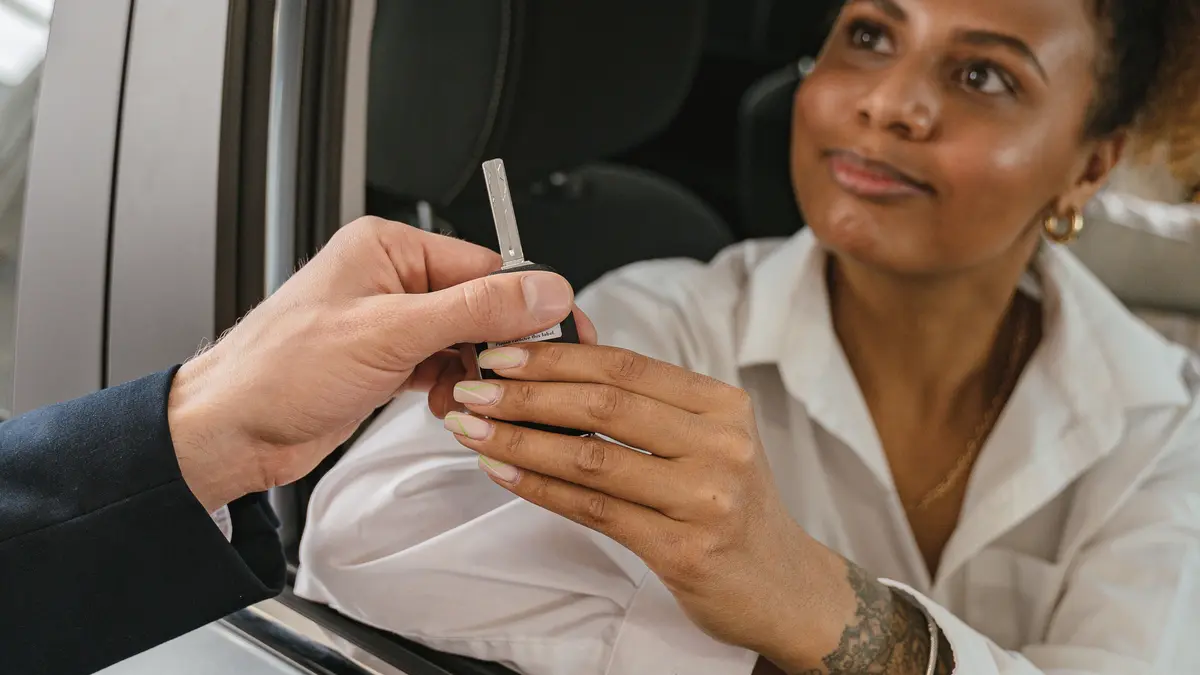
- Write a receipt and both sign it. Plain paper is fine. Names, addresses, phone numbers, chassis number, plate number, amount, date. Photograph both ID cards, and let them photograph yours.
- Papers change hands as the money does. Customs papers where applicable, proof of ownership, the vehicle licence, all of it. Not next week. The transaction is not finished until you are holding them.
- Do the change of ownership yourself, immediately. Until that is done the car is legally still theirs, and every ticket, accident and check that follows becomes a conversation you do not want to be having.
One more, and people skip it because it feels rude. Confirm the seller is not still owing on the car. Cars bought on credit, or standing as security for a loan, do circulate in this market, and the lender's claim does not disappear because you paid somebody in good faith.
What you give up
There is a real other side to this, and pretending otherwise would be doing you no favours.
Buying from the owner gets you a cheaper car on a like-for-like basis, real history from the person who lived with it, and a seller whose timeline you can read. What it costs you is choice (one car, take it or leave it), recourse (none whatsoever once the money moves), the paperwork (yours to arrange), and time, because it means fewer cars, more travelling and more dead ends.
Buying from a yard inverts all of that. You pay for the overheads and the convenience, you often get no history beyond an auction sheet, and you get several cars to compare in one afternoon, a business with an address, competent paperwork, and the ability to buy this week.
So if your budget is tight and your time is not, buy from the owner. If you need a car by Friday and certainty matters more than the saving, a good yard is not a failure of discipline. It is a reasonable trade. Our market-by-market map of Lagos is the place to start if you decide the yards are where you are shopping.
Negotiating with an owner
This is a different conversation from haggling with a dealer, and the difference is worth understanding.
A dealer has a floor and will tell you no all day. An owner has a number in their head and a life situation pressing on it. Nobody sells their own car for fun. They are relocating, or school fees are due, or the new car arrives next month, and that timeline is your real leverage. Not the paint.
So quote them the market rather than haggling blind. Tell them what the same year and condition is going for, name the figure, and say where you got it. Owners are often out of date on prices, because the last time they thought about the market was when they bought the car in 2019. Dealers are never out of date. Our breakdown of what used cars cost in 2026 is there to be quoted.
Then negotiate on evidence rather than feeling. The mechanic's report is worth more than any argument you can make. "It needs two tyres, a suspension bush and the AC gassed, that is ₦280,000, so I am at this figure" lands with a private seller in a way that "reduce it now" never will. You are not insulting their car. You are pricing it.
And be ready to be turned down. Owners walk away from deals a dealer would take, because they are not running a business and can simply decide to keep driving it. Thank them properly and leave the door open. Plenty of them call back three weeks later.
Buying direct on CarSpace
This is the part we built the whole thing around. On CarSpace you contact the seller yourself. You see their profile, their other listings, how long they have been here, and what other buyers rated them. Their number is their number. No chain of agents, no quiet markup added on the way to you, nobody deciding what you get shown based on what pays them best.
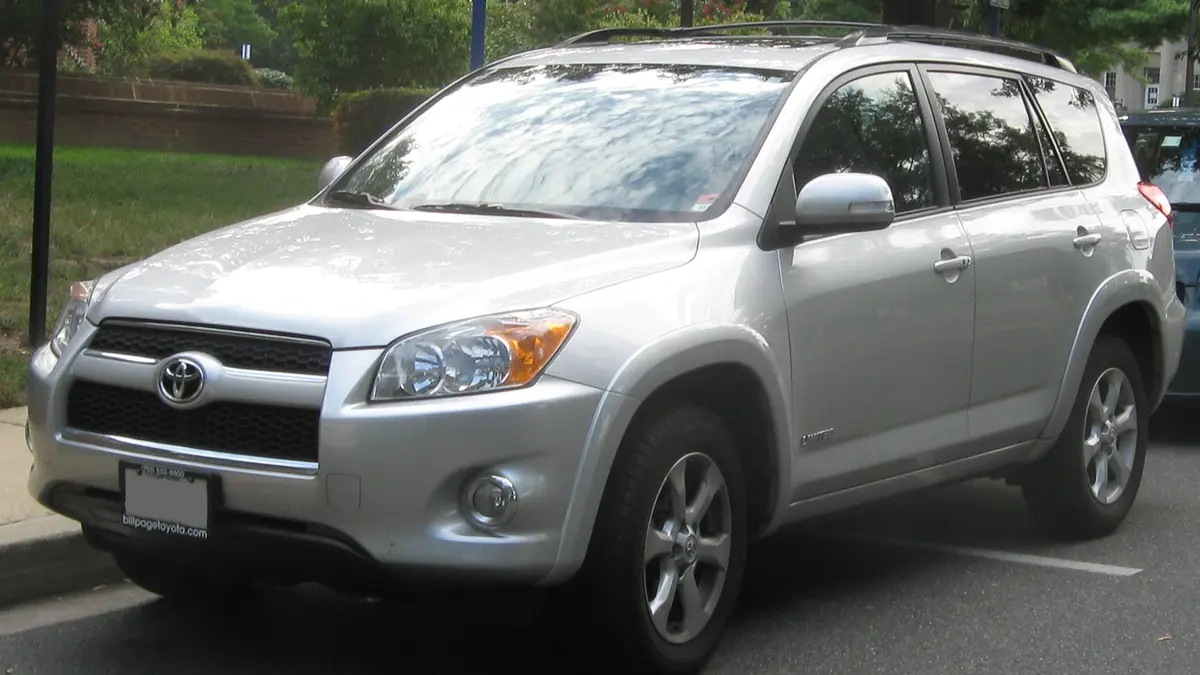
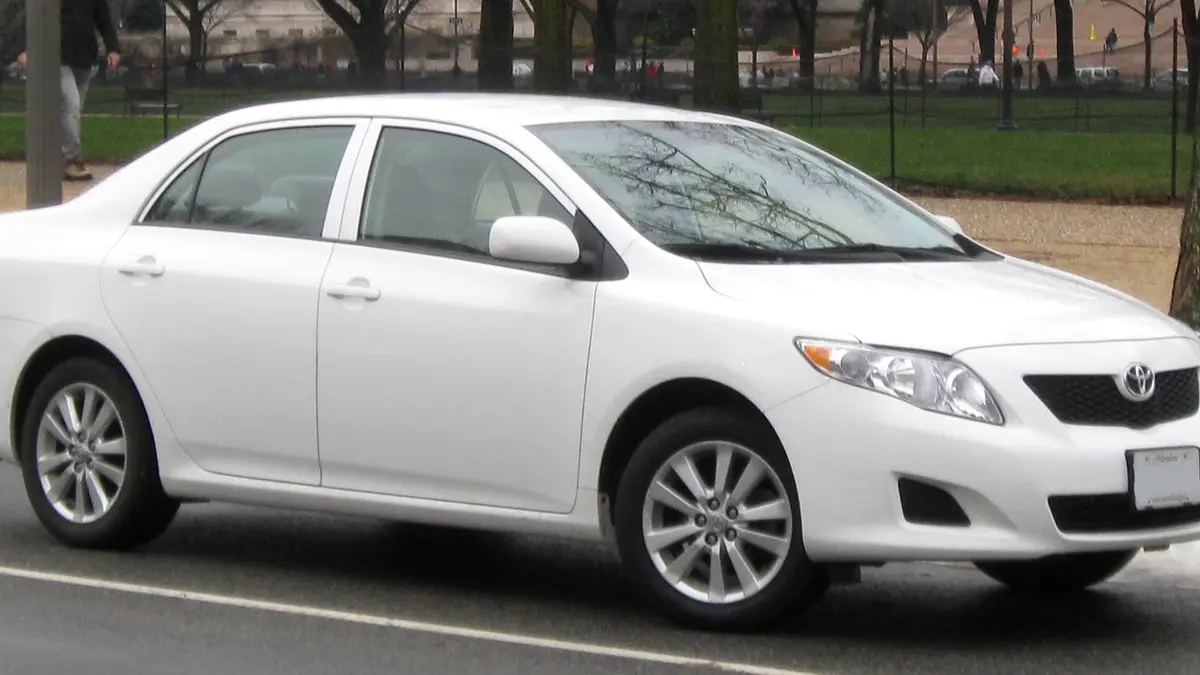
Start where the supply is. Owner-sold cars split almost evenly between Nigerian used and tokunbo, so neither is the wrong door. The Camry and Corolla pages are the deepest markets in the country, which means the most private sellers and the most leverage for you. Then filter to your state and check any asking price against the figures above before you pick up the phone.
And if you are the one with a car to sell, list it yourself. The markup we have spent this whole article discussing is money that currently goes to somebody who is not you.
Take the extra time. Meet the owner, at their place, in daylight, with your mechanic. Pay in a bank. Get the papers in your hand before you drive away. Done that way, buying direct is the cheapest and best informed way to buy a car in Nigeria, and the saving is simply the fee you stopped paying to people who were never adding anything.