Ask five people what a used car costs in Nigeria and you will get five answers, all of them confident and most of them out of date. Your uncle quotes what he paid in 2021. A dealer quotes the opening number, which was never meant to be the closing one. Somebody in a WhatsApp group swears their cousin got a clean Camry for three million, and nobody ever meets the cousin.
Here is a straight answer, taken from the 4,664 cars advertised on CarSpace this week rather than from anybody's memory. What follows is what you should expect to pay, and more importantly what to do about it.
One thing to hold on to throughout. Every figure here is an asking price, not what anybody paid. There is real room between the two, and the last section is about how to claim it.
So what does a used car cost?
There is no single answer, because there are two markets wearing the same name.
A Nigerian-used car, one that has lived its life here, usually sits between ₦4.8 million and ₦11 million, with most landing around ₦7 million. That is roughly four in every ten cars advertised.
A tokunbo car, imported after being used abroad, usually sits between ₦12 million and ₦39 million, with most around ₦21 million. That is the other six in ten.
So an import costs about three times what a local car costs. Which means the first question is not what you can afford, it is which of those two markets you are shopping in, because they want different things from you. The import asks you to trust paperwork you cannot see being made. The local car asks you to trust a car that has been on our roads, but lets you go and meet the man who serviced it.
If you have the budget and not the patience for a long inspection list, buy the import and spend the money you saved on a history check. If you have the patience, the local car is where the value is, and it is where most Nigerian buyers should be looking. Our 2026 buyer's playbook walks through that choice properly.
Why almost nothing here is cheap
If you came with three million naira, this is the part you need to hear early.
Barely one car in twenty is advertised under ₦3 million. Lift your ceiling to ₦6 million and you are still only reaching about a fifth of what is out there. The weight of this market sits well above that.
Two things follow, and both are practical.
If your budget is under ₦6 million, you are shopping a thin, competitive slice, so go in expecting older years, a short list of models, and a local saloon rather than an import. That is a perfectly good place to buy a car. It just rewards patience over enthusiasm, because the good ones go quickly and the rest are cheap for a reason. The cheap cars in Lagos guide goes through the failure modes.
And if a listing comes in well below everything else you have seen, that is not your lucky day. Nobody in this market accidentally underprices themselves. Something is wrong with the car, the papers or the person, and the cheapest way to find out which is to walk.
The year on the plate is doing most of the work
Two cars of the same model, five years apart, are not the same purchase and should not be in the same shortlist. The older one will cost you less to buy and more to keep. That is the trade, and you should make it deliberately rather than by accident.
Roughly, here is what each era asks of you. A car from the mid-2000s is the cheapest way onto the road, but assume you are buying a maintenance project: tyres, suspension and a full service in the first few months, and a relationship with a mechanic. Something from around 2010 to 2014 is the sweet spot most Nigerian buyers should be in, old enough to be affordable and new enough that nothing major is overdue. Anything 2015 or newer is a serious step up in money and a much smaller step up in daily experience.
That last point is where people overspend. The price jump across the 2014 to 2015 line is far bigger than the difference you will feel from the driver's seat, so if your budget is stretched, stretching it across that line is usually the wrong call.
One warning the years also give you. Genuinely Nigerian-used cars newer than 2018 barely exist here, because cars that young are almost all imports. So when somebody offers you a 2021 as Nigerian used, treat it as a reason to ask a lot more questions about where that car has actually been.
Check the other city before you commit
Lagos and Abuja are the market between them, and they price the same car differently in a way that catches almost everybody out.
Abuja is cheaper for Nigerian used. Lagos is cheaper for tokunbo, and on an import the gap between the two cities can run to several million naira on the same grade of car.
The reason is on the ground rather than in any spreadsheet. Abuja carries most of the country's import and clearing trade, so its tokunbo stock skews newer and better equipped, and the duty and logistics ride along in the price. Lagos has the deeper everyday market, full of private owners cycling through saloons they drove themselves, which keeps Nigerian-used demand firm and the stock plentiful.
What to do with that is simple. Before you settle on a market, make one phone call to a seller in the other city about the same model. If you want an import and you can travel, price Lagos before you assume Abuja is cheaper. If you want Nigerian used, Abuja usually prices better, as long as you arrange a proper inspection before you board anything. Start with cars for sale in Lagos or cars for sale in Abuja.
Buy something the country already owns
Most of what gets advertised here is a short list of cars at serious volume, and that list is where you should be shopping. Not because they are the best cars, but because of what happens after you buy.
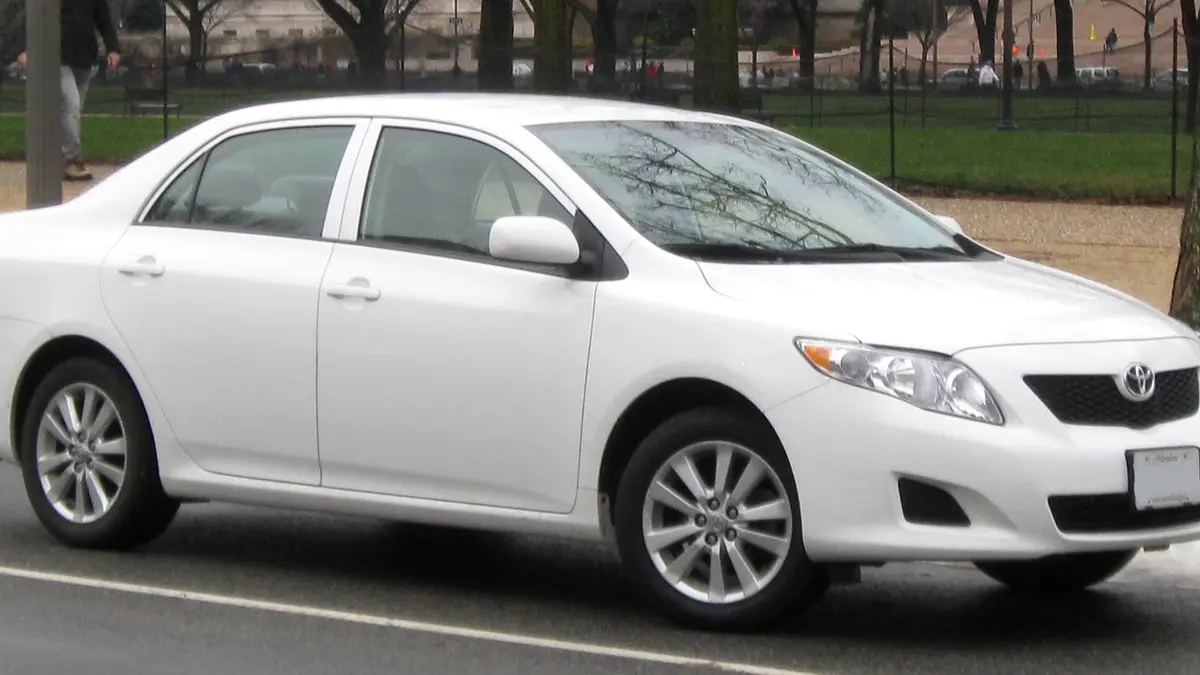
The Camry and the Corolla are the two deepest markets in the country by a wide margin, and they are deep for one reason: spare parts. Nobody waits a week for a Camry part, and no mechanic needs the manual. That keeps your running costs down, and it means the next buyer wants the car for the same reason, so it holds its value. Camry prices swing enormously by generation, and our guide to it has the figure for each one.
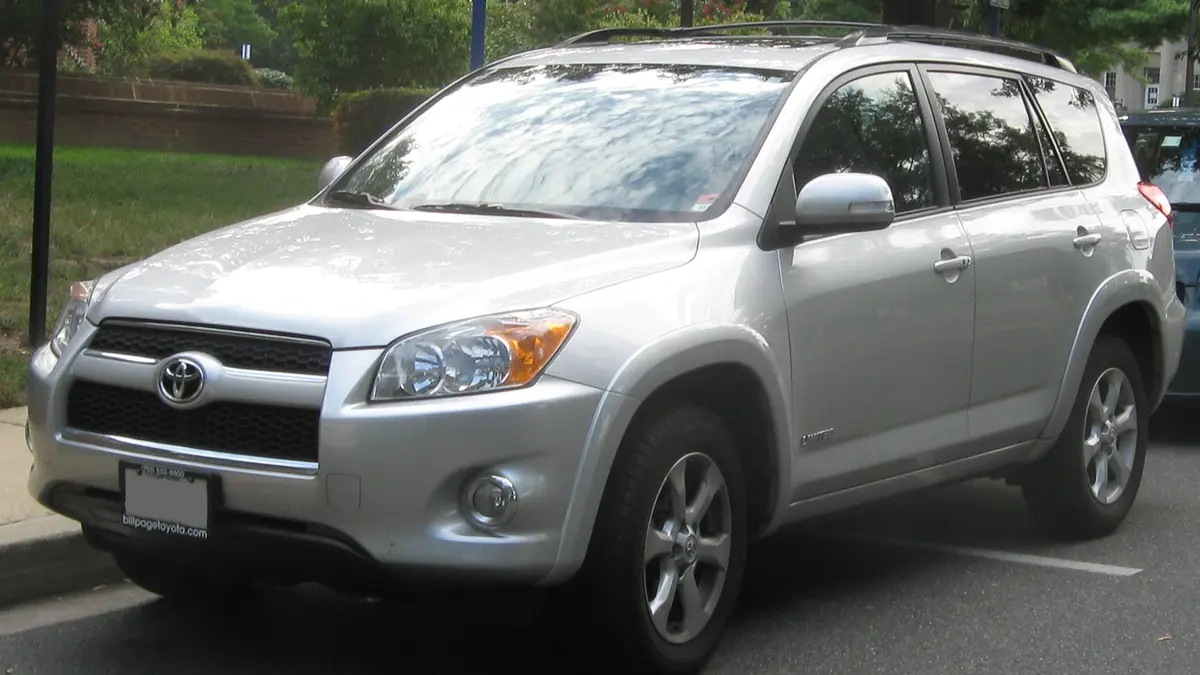
After those two it is mostly the Lexus RX 350, the Honda Accord, the Toyota Highlander and the RAV4, with Toyota accounting for more than four listings in every ten on the site.
The useful version of that advice is the reverse. Be careful with anything rare here. A car nobody else on your street owns means a part nobody stocks, a mechanic learning at your expense, and a long wait for a buyer when you want out. That is the cost people forget to price in, and it is usually bigger than whatever they saved at the start.
The price on the listing is not the price
This is the part that separates people who pay market from people who pay over it.
Every figure in this article is an asking price, and in Nigeria an asking price is understood by both sides to be an opening position. A serious buyer, paying quickly and not wasting the seller's afternoon, should expect to close somewhere five to fifteen percent below it.
How you get there matters more than how hard you push.
Do not open by asking them to reduce it. That invites a no, and now you are arguing. Instead, tell them what the same year and the same grade is going for elsewhere, name the figure, and say where you saw it. A seller who realises you have done the work prices you differently from the start, and private sellers in particular are often genuinely out of date, because the last time they thought about the market was the day they bought the car.
Then let the mechanic do the rest of the talking. "It needs two tyres, a bush and the AC gassed, that is ₦280,000, so I am here" moves a price in a way no amount of haggling will. You are not insulting the car. You are pricing it, and that is a conversation a reasonable seller can have with you.
And be ready to walk. There is always another Camry. The seller knows it too, which is why walking works.
Where to start on Saturday
Pick your grade before you pick your car. Local or import, decided on your patience and your budget, not on what looks nicest in a photograph.
Pick something common, and shop just below the 2015 line if money is tight.
Then see three of the same model before you make a single offer. Not one. Three. The third one teaches you what the first two were hiding, and by then you will know the real price of that car better than the person selling it to you.
When you are ready, browse Nigerian-used listings or tokunbo listings, or read the guide to buying straight from an owner if you would rather skip the dealer markup altogether. And if you are the one selling, list your car and see where it lands.
Do that and you will know what the car is worth before the seller tells you. Which is the only position worth negotiating from.