Looking for cars for sale in Lagos is never a supply problem. There are more dealers, more yards and more WhatsApp groups here than in the rest of the country put together, and by the fortieth photo of a silver Camry they have all blurred into one.
What you are short of is a map. Which part of town has cars you can afford, what a fair price looks like there, and which places deserve a Saturday.
Lagos holds about 1,561 of the roughly 4,664 cars advertised nationally, so one in every three. They come from around 147 dealers and private sellers. Here is how that breaks down, and all the figures below are asking prices, so expect room to move on them.
What a car in Lagos costs
Most cars advertised in Lagos fall somewhere between ₦8.5 million and ₦28 million, which is a wide spread because the city sells two quite different things.
On one side are Nigerian-used cars, roughly 572 of them, usually asking ₦5 million to ₦14.5 million with the typical one around ₦8 million. On the other are tokunbo imports, about 964, normally ₦13 million to ₦35 million, with most landing near ₦19.5 million. There are a handful of brand new cars too, 25 or so, and those start around ₦58 million and climb out of sight.
Two things follow from that. Imports outnumber locally used cars here by nearly two to one, so if you have settled on Nigerian-used you are fishing in the smaller pond and may wait longer for the right one.
The second is more useful if you can travel. Lagos asks a little more than the national norm for a Nigerian-used car and noticeably less for a tokunbo. A tokunbo in Abuja commonly goes for around ₦28.5 million where Lagos sits nearer ₦19.5 million. Abuja handles more of the import and clearing trade, so its stock is newer and dearer, while Lagos has the deeper everyday market that keeps local cars firm. If you want an import, Lagos is the cheaper city. If you want Nigerian-used, it is worth a phone call to Abuja before you commit.
What your budget really buys
Be realistic about the bottom end. Only about 221 cars in the whole city are under ₦6 million, and just 11 are under a million. Meanwhile close to 600 are above ₦20 million. Lagos is an expensive car market with a thin cheap tail, not the other way round.
With ₦5 million or ₦6 million you are looking at an older Nigerian-used saloon, most likely a Corolla or a Camry with some history behind it. That is perfectly fine. It just means budgeting for a proper inspection rather than hoping the cheap ones are cheap by accident.
Between ₦10 million and ₦20 million is where the bulk of the city sits and where you have the most genuine choice.
Ajah, Lekki and the rest
Lagos is not one market. Where a car is advertised tells you a lot about what you are walking into.
Ajah is the giant. Something like 450 cars, nearly a third of everything in the city, strung along the Lekki-Epe axis which has quietly become the centre of the trade. Prices usually run ₦10 million to ₦25 million. You can see a dozen comparable cars in an afternoon without leaving one road, and that is the fastest way to learn what your model really trades at.
Lekki sits right next door with around 224 cars and asks far more, commonly ₦14.5 million to ₦64 million. Same road, roughly double. That gap is less about the cars than about who the yards expect to walk in. A Lekki yard prices for a Lekki buyer.
Do both on one trip, Ajah first. Going the other way round resets your sense of normal before you have seen the cheaper stock.
Ikeja is the sensible middle, about 128 cars at ₦7.7 million to ₦36.5 million, and it is central enough to visit twice while you make up your mind.
Head further onto the mainland and the money stretches. Ebute Ikorodu is the cheapest corner of the city, around 30 cars mostly between ₦3.8 million and ₦9.7 million. Ifako Ijaiye is tight and affordable at ₦6.5 million to ₦8.6 million, Abule Egba and Alimosho are not far off. These are mostly ordinary people selling the car they drove, rather than yards carrying import costs, which is the best version of a used car if you do your homework. Our guide to buying straight from an owner covers how to check out a private seller.
Surulere is a reasonable compromise at ₦10 million to ₦16.8 million if you want mainland pricing without going far out.
And then there is Victoria Island, where twenty-odd cars start around ₦30 million and run past ₦250 million. Nobody buys a first car on VI. It is where recent, high-spec SUVs change hands.
The markets people will send you to
Three places come up in every conversation, and they are not the same business.
Berger, up on the Lagos-Ibadan expressway, has a long-standing cluster of dealers leaning towards tokunbo. Its value is volume. Turn up with a figure already in your head, because the first price you hear will not be the last.
Ladipo in Mushin is worth being blunt about, because new buyers get sent there constantly. It is a spare parts market, the biggest in the country, not a car showroom. You go there after you buy, when you need a wing mirror or a gearbox at a price no dealership will touch. The question to ask before you buy is whether parts for the car you are considering turn up there cheaply. For a Camry or Corolla, easily. For something European and unusual, that answer changes, and your running costs change with it.
Ikeja mixes showrooms and independent yards, and it is a good first stop if you are still deciding what you want.
The Lekki and Ajah yards are covered above, with one caution. The stock there is newer and better presented, which cuts both ways. A well-detailed car hides plenty. Pay for an independent inspection precisely because everything looks good.
What Lagos is actually selling
A short list of models carries most of the city.
The Lexus RX 350 tops it with around 174 cars, typically ₦16.8 million to ₦39 million, usually 2013-ish. That says something about Lagos specifically: nationally the Camry leads, but this city buys more SUV than anywhere else, and the RX has been the default answer here for years.
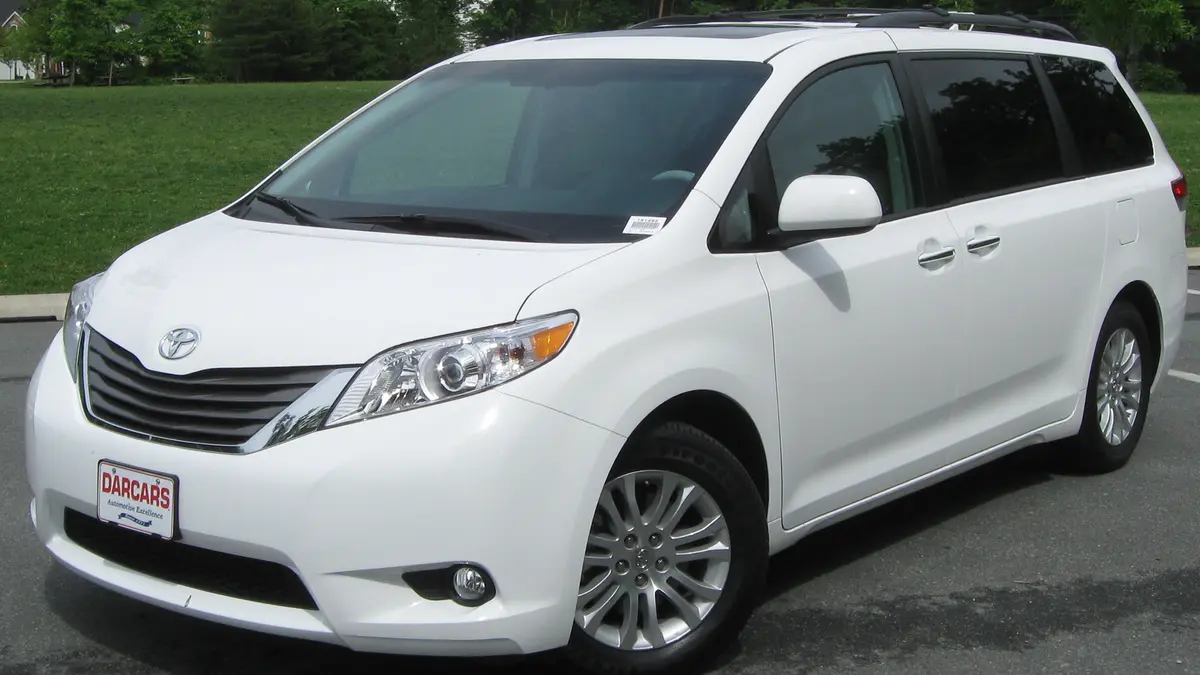
The Camry comes next at about 168 cars, commonly ₦5.4 million to ₦13.5 million. Then the Highlander, around 104 and usually ₦13 million to ₦29.5 million.
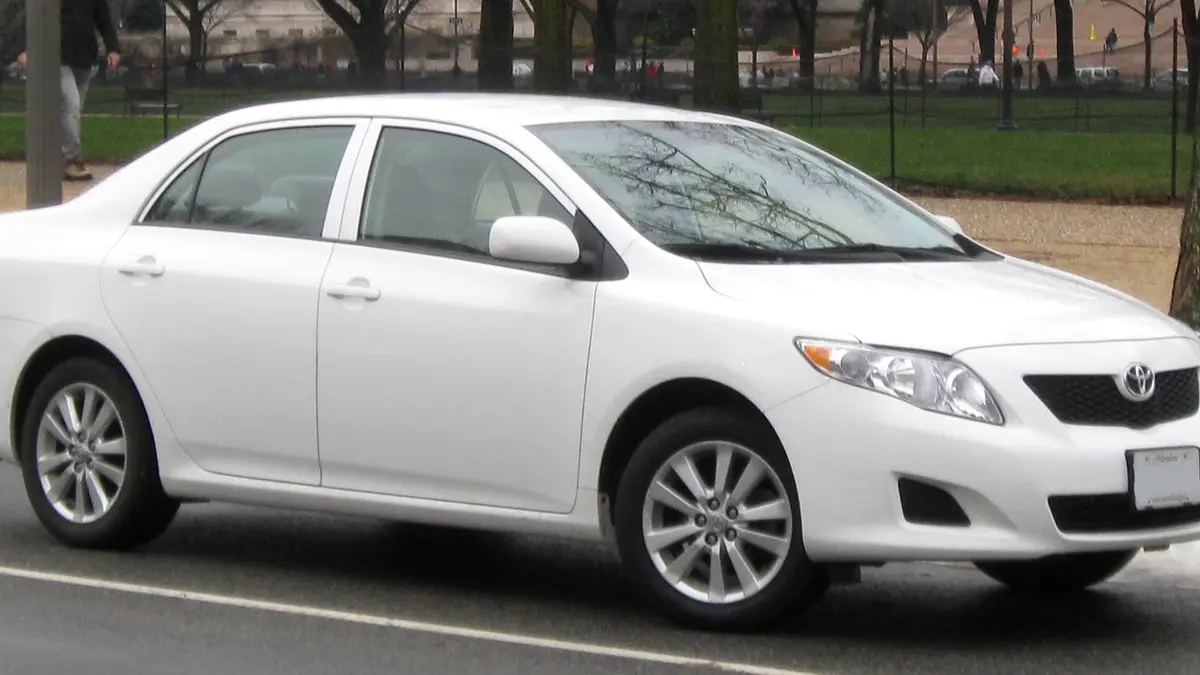
The Corolla is the one budget buyers should read twice. Roughly 98 in the city at ₦3.9 million to ₦9.5 million, but the typical one is a 2006. The cheap Corolla stock in Lagos is genuinely old. These engines run forever if looked after, but go in knowing you are buying a twenty-year-old car and put the first year of maintenance in your budget.
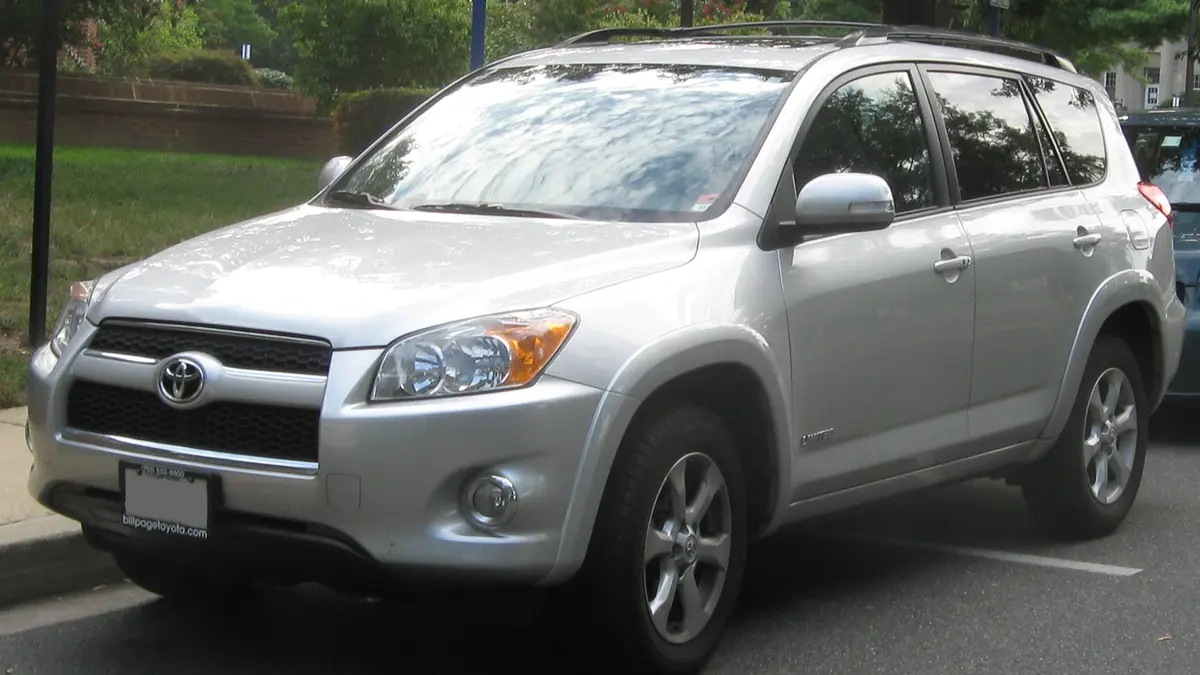
After that it thins out into Lexus ES 350s, Venzas, RAV4s and Sonatas, mostly in the ₦10 million to ₦20 million bracket. If Toyota is what you want, Toyota in Lagos is the deepest single-brand pool in the city, which means more room to walk away from a bad one.
One small thing that surprises people: the manual gearbox has all but disappeared. Around 94 cars in every 100 advertised here are automatic.
Before you hand over money
Lagos has its own particular ways of catching buyers out.
Flood is the big one. This city floods every year in the same places, and a car that sat in it often goes on sale soon after looking fine. Pull up the boot carpet and lift the spare wheel. The spare well is the lowest point in the body and the last place anyone cleans, so silt or a tide mark in there tells you most of what you need to know.
Do not trust the odometer. A 2011 Camry showing 90,000 km has almost certainly been wound back. Judge age from the brake pedal rubber, the shine on the steering wheel and how far the driver's seat bolster has collapsed.
Look down the side of the car in daylight. Original paint reflects as one unbroken line. A resprayed panel interrupts it, which means accident repair, which is worth knowing even when the work was good.
Check the chassis number on the car against the papers. In daylight, not at six in the evening with somebody standing over you. This is the check people skip and later regret.
None of that replaces a mechanic who works for you rather than the seller. Forty or fifty thousand naira is the cheapest insurance you will buy on a ten million naira purchase.
One last thing
Buying in Lagos rewards patience more than cleverness. There is always another car, which means the most valuable thing you can do is be genuinely willing to walk away from one you like.
Pick two areas that suit your budget, learn what your model goes for before you ring anybody, inspect properly, and negotiate from the number rather than the seller's mood. Most sellers here have five to fifteen percent in them when you are serious and ready to pay.
Have a look at what is listed in Lagos, or go straight to Nigerian-used or tokunbo stock. If you are selling instead, put your car up and see where your price lands.