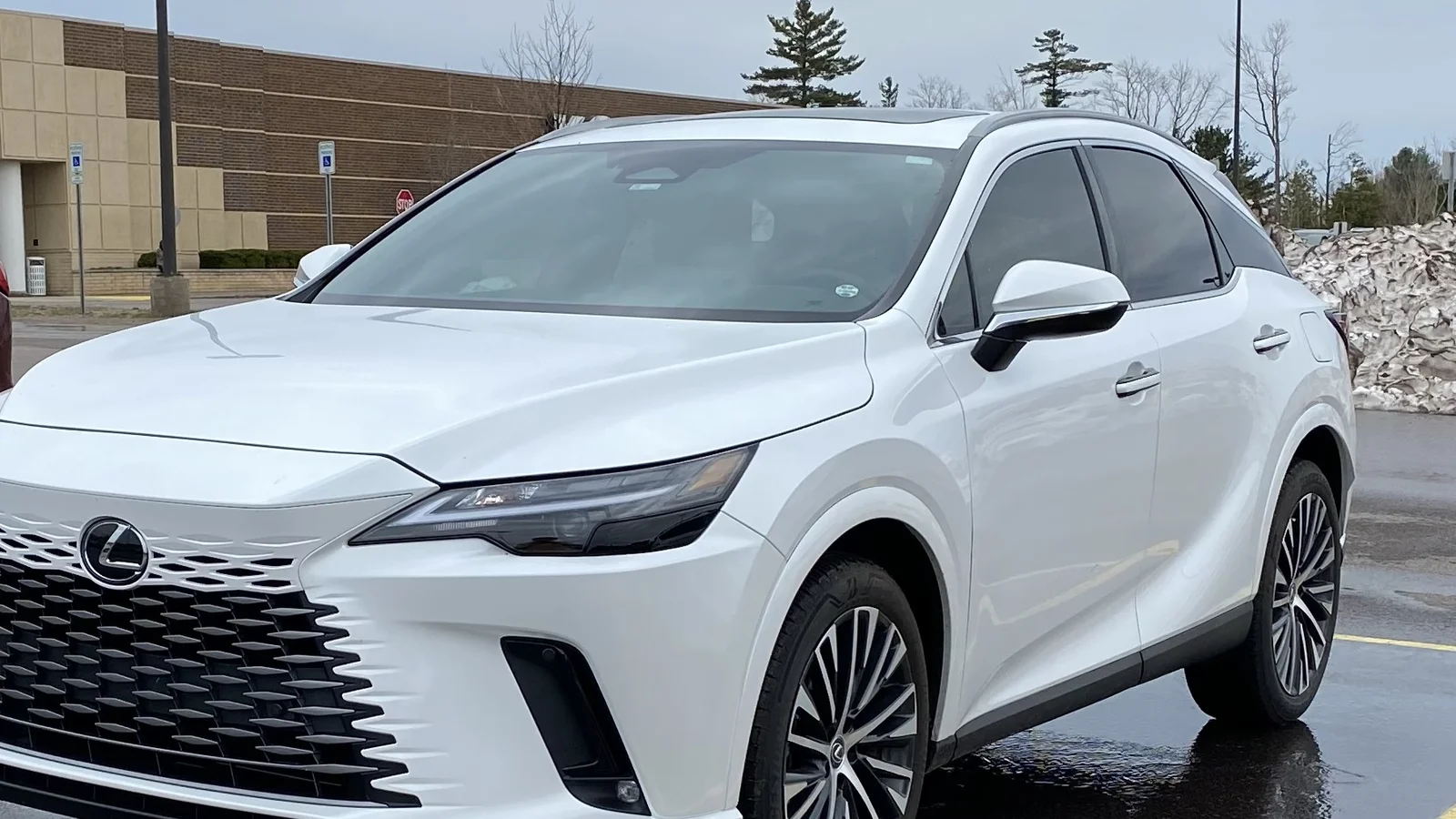
SUVs sell faster than almost any other body style on Carspace, and it's not hard to see why — they shrug off bad roads that would scare a sedan, and still carry a family and their luggage without complaint. This guide covers what you're actually paying for, where the trade-offs are, which specific models are worth shortlisting, and what to check before you commit.
What Counts as an SUV in Nigeria
An SUV (Sport Utility Vehicle) sits higher than a sedan, rides on a taller suspension, and usually offers a roomier cabin and boot. In Nigeria that higher ground clearance is not a styling choice — it is what gets you through a flooded Lagos underpass or an unpaved stretch outside the city without scraping the underbody.
Within "SUV" there's real range. Compact crossovers are built on car platforms: lighter, easier on fuel, usually front-wheel drive with all-wheel drive optional. Full-size, body-on-frame SUVs are built for genuinely rough terrain and heavier towing, with low-range gearing and part-time four-wheel drive. Most buyers shopping Carspace's SUV listings land in the compact-to-mid-size crossover segment, where Toyota, Honda, Lexus and Hyundai dominate what's actually available and serviceable here — but a meaningful share still want the body-on-frame toughness of a Land Cruiser Prado or 4Runner for upcountry travel.
Who an SUV Actually Suits
If you regularly deal with bad roads, flooding, long family trips, or need to carry more than two passengers in comfort, an SUV earns its keep. If you're almost entirely on good Lagos Island tarmac with light cargo and tight parking, a sedan or compact crossover will cost less to run and be easier to park — don't let the badge alone talk you into more car than you need.
Top SUVs to Consider
Models Nigerian buyers shop for most in this class, and what each one is actually good at.
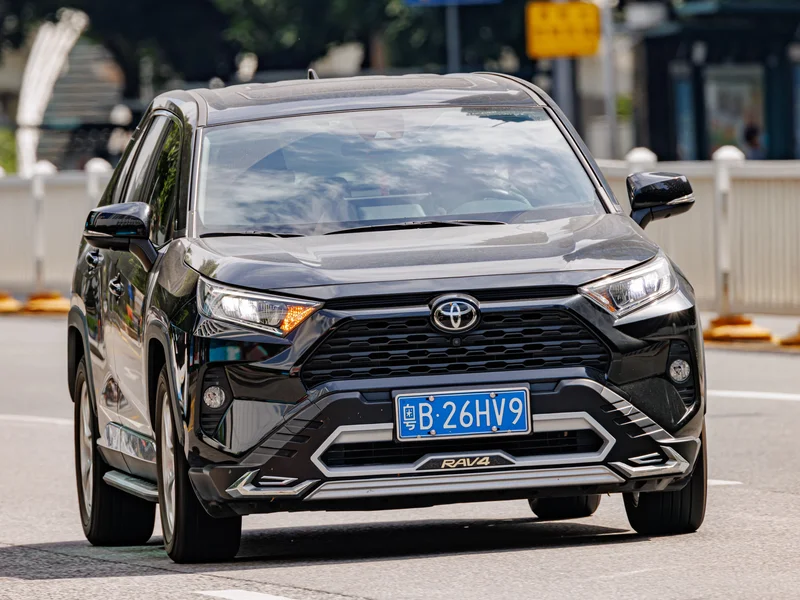 Photo: Dinkun Chen / CC BY-SA 4.0
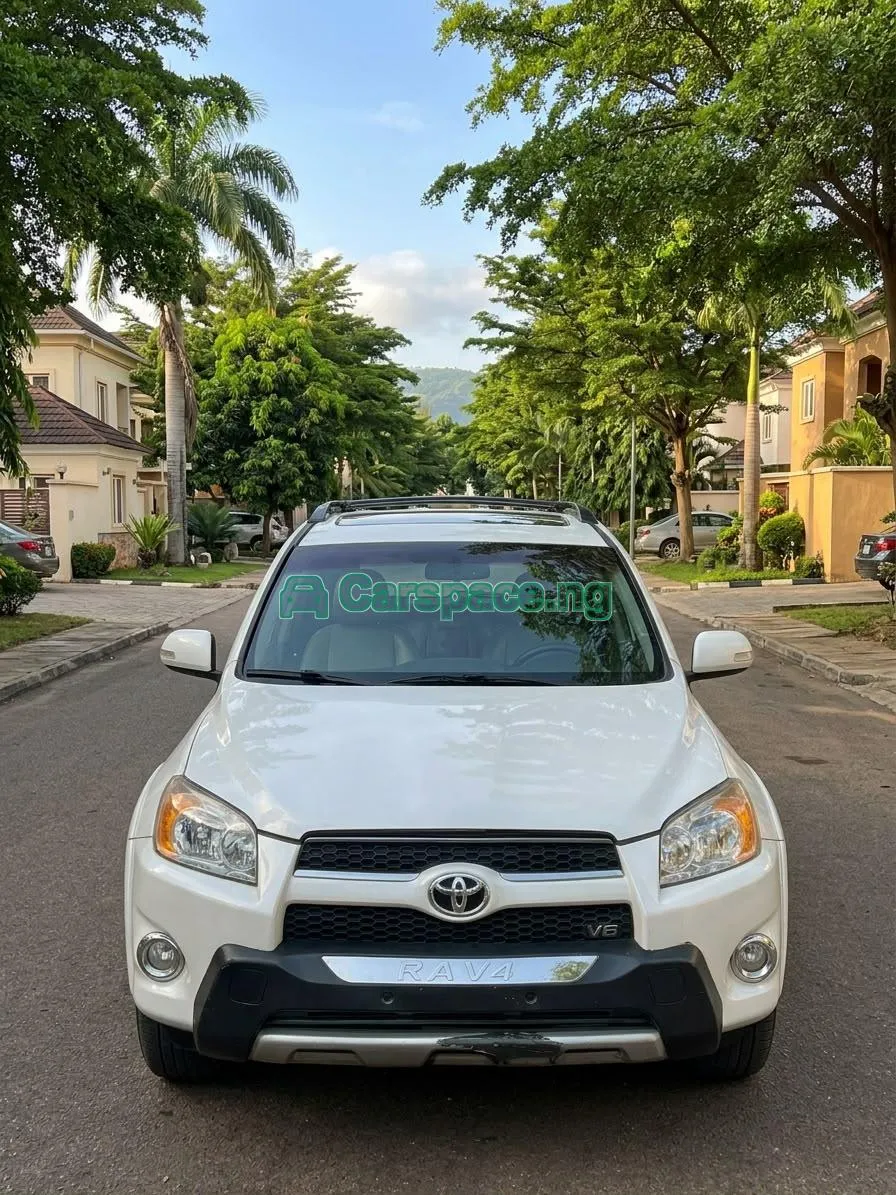
Toyota RAV4
The default choice, and for good reason
Nigeria's best-selling SUV by a wide margin. Easy to maintain, holds value, and nearly every mechanic in the country has worked on one.
- Engine: four-cylinder, hybrid available on newer generations
- Seating: 5
- Drivetrain: FWD or AWD
- Best for: daily driving, first-time SUV buyers
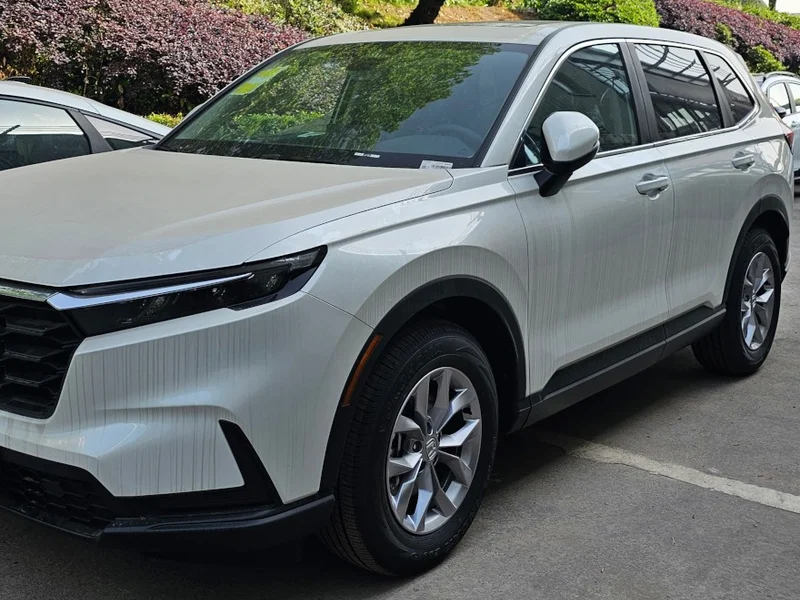 Photo: Navigator84 / CC BY-SA 4.0
Honda CR-V
RAV4's closest rival, slightly smoother ride
A well-rounded alternative to the RAV4 with a reputation for a comfortable ride and a reliable four-cylinder engine. Parts are a notch pricier than Toyota's but still widely available.
- Engine: four-cylinder, turbo on newer trims
- Seating: 5
- Drivetrain: FWD or AWD
- Best for: comfort-focused family buyers
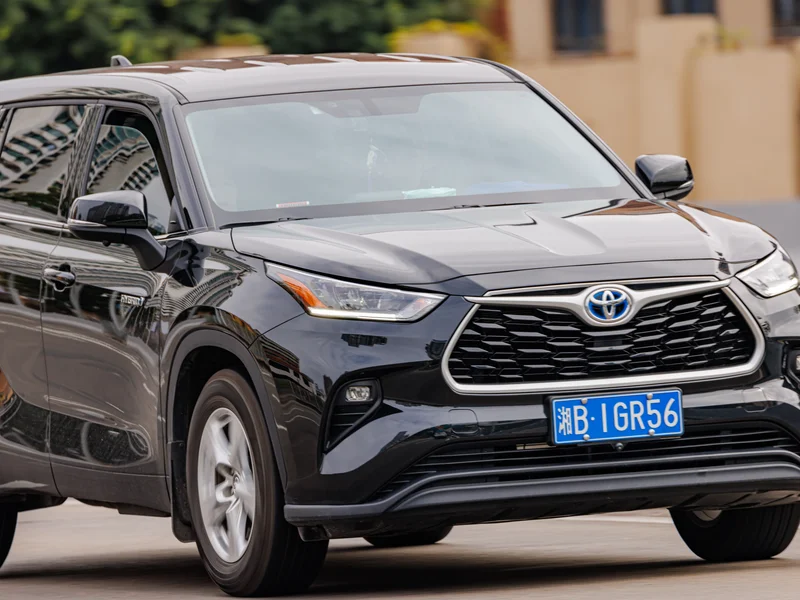 Photo: Dinkun Chen / CC BY-SA 4.0
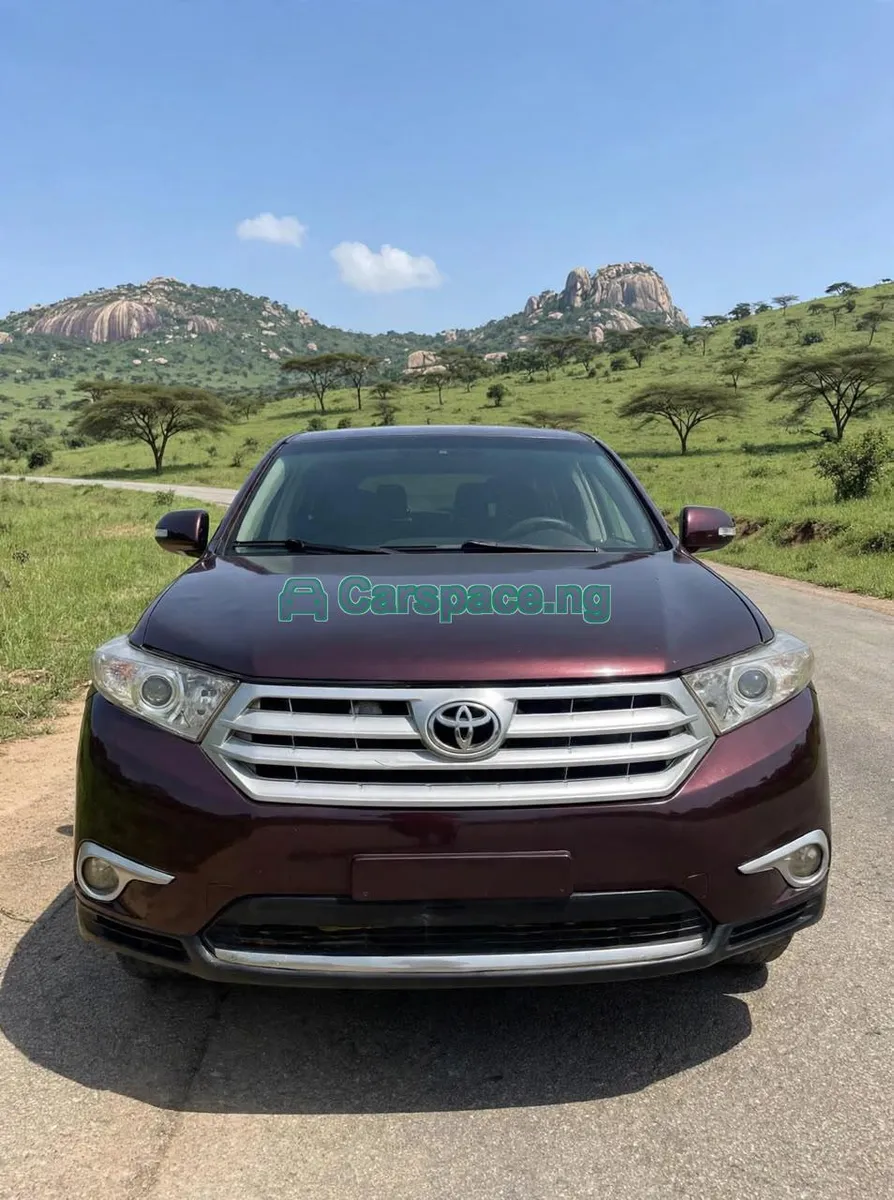
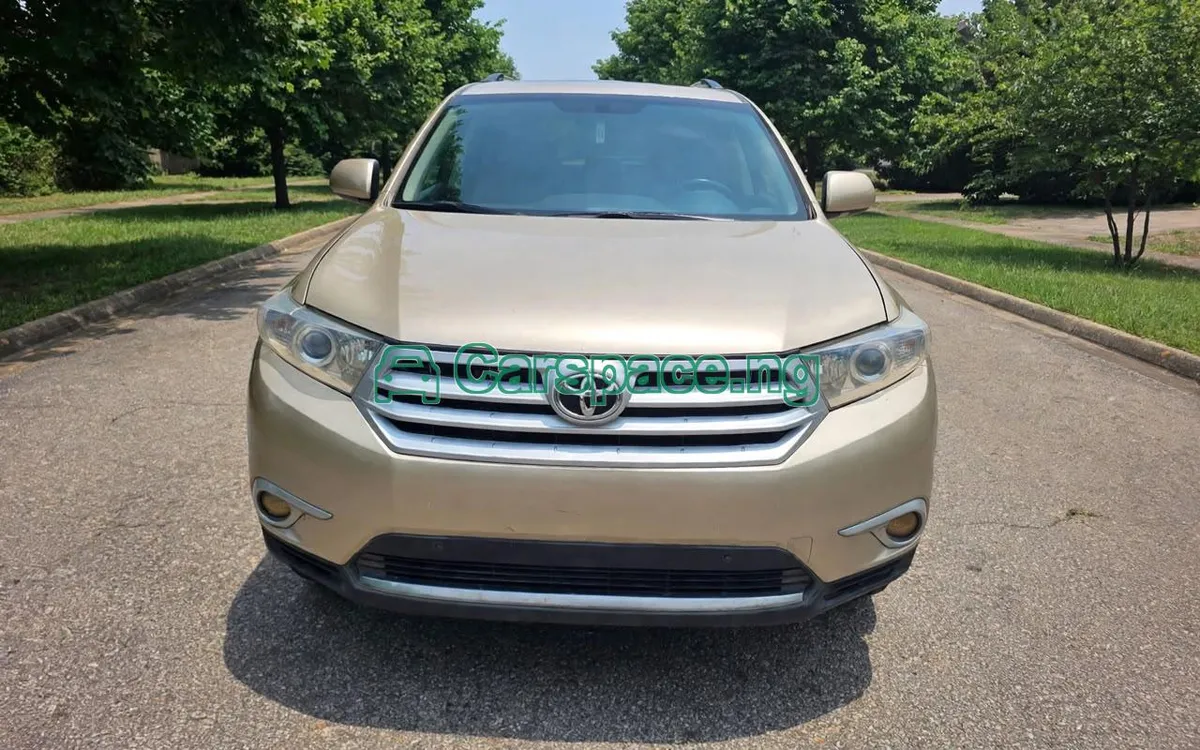
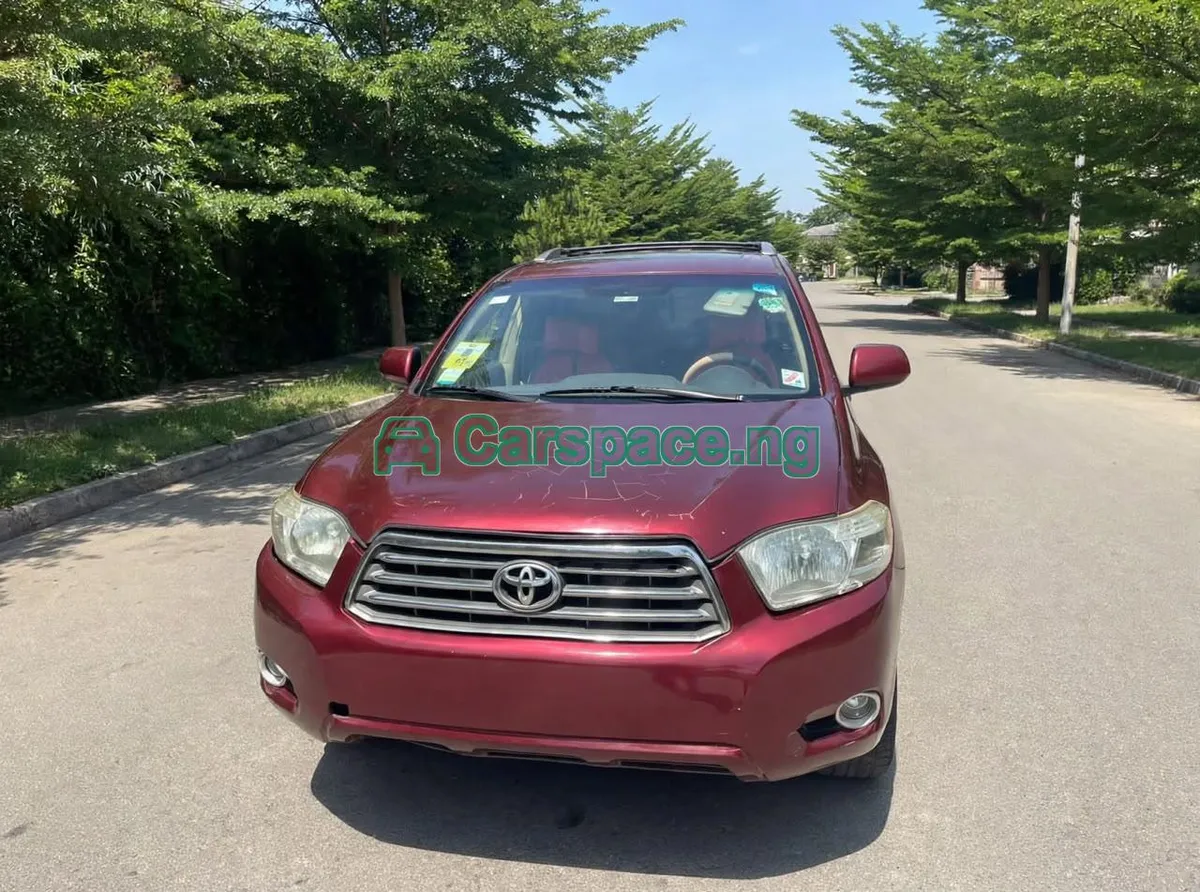
Toyota Highlander
RAV4's bigger sibling, built for larger families
A three-row SUV for buyers who've outgrown the RAV4's cargo space — school runs with extended family, long road trips, or simply more boot room for market runs.
- Engine: V6 on most imported units, hybrid on newer generations
- Seating: 7 or 8
- Drivetrain: FWD or AWD
- Best for: larger families, road trips
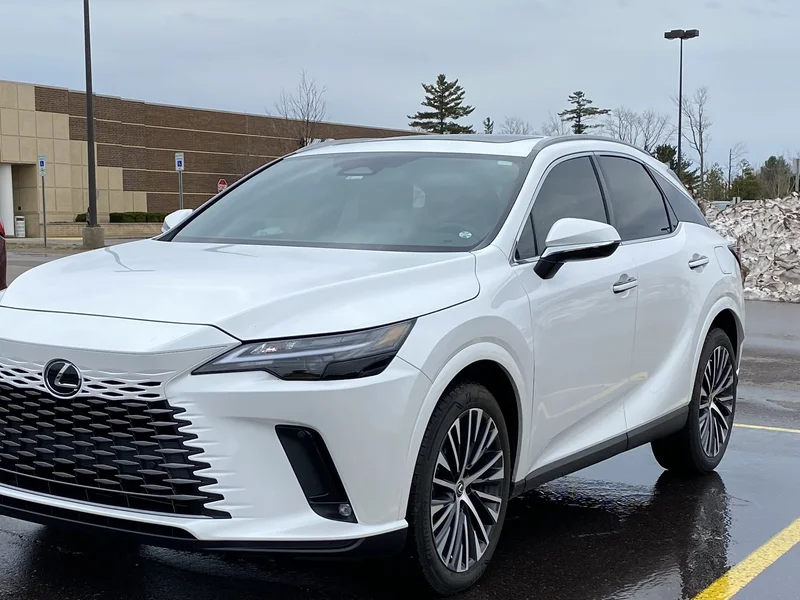 Photo: Carlito714 / CC BY-SA 4.0
Lexus RX
The premium pick, without sacrificing reliability
Shares its underpinnings with the Toyota Highlander, so it's mechanically familiar to Nigerian mechanics despite the luxury badge — a rare combination of comfort and serviceability.
- Engine: V6, hybrid (RX 400h/450h) widely available
- Seating: 5
- Drivetrain: FWD or AWD
- Best for: buyers who want comfort without an unfamiliar drivetrain
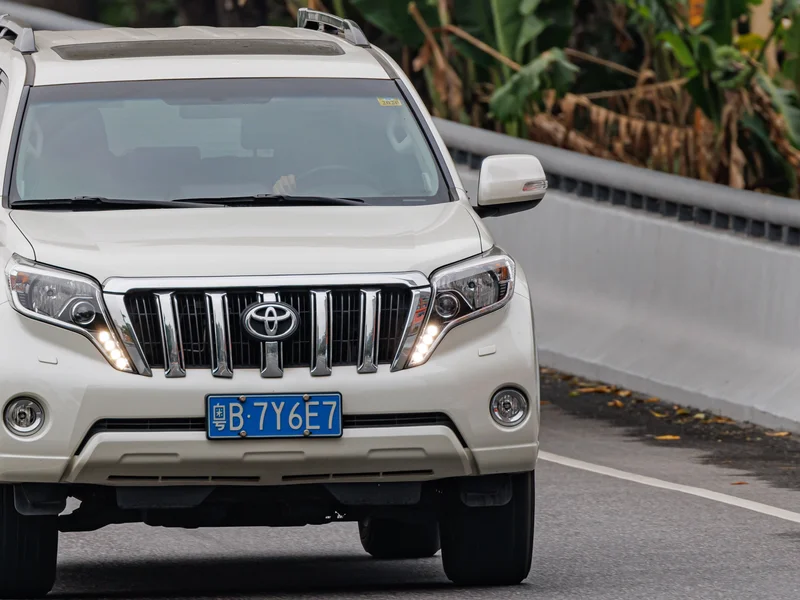 Photo: Dinkun Chen / CC BY-SA 4.0
Toyota Land Cruiser Prado
Body-on-frame toughness for upcountry travel
The choice for buyers who actually need serious off-road capability — site visits, upcountry travel on unpaved roads, or towing. Costs more to run than a crossover, but nothing else in this class matches its durability.
- Engine: V6 petrol or diesel
- Seating: 7
- Drivetrain: Part-time 4WD with low-range
- Best for: off-road use, towing, long-distance upcountry travel
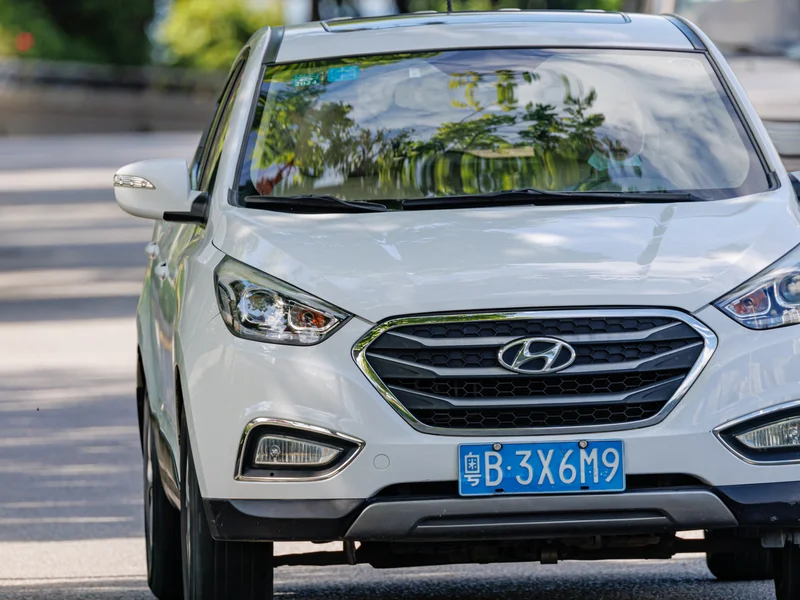 Photo: Dinkun Chen / CC BY-SA 4.0
Hyundai Tucson
The budget-conscious entry point
Usually the lowest-priced route into a recent-generation SUV on Carspace. Parts availability has improved significantly as more Hyundais have entered the Nigerian market.
- Engine: four-cylinder
- Seating: 5
- Drivetrain: FWD or AWD
- Best for: buyers prioritising upfront price over resale premium
SUV Pros
- Handles bad roads and flooding better than a sedan
- More boot and cabin space for family or cargo
- Higher driving position, better visibility in traffic
- Strong resale value on popular models (RAV4, Highlander, CR-V)
Worth Weighing First
- Higher fuel consumption than an equivalent sedan
- Parts and tyres cost more on bigger, less common models
- Can feel unwieldy to park in tight Lagos streets
- Four-wheel-drive variants add cost most buyers in the city never use
What to Expect on Price
Asking prices move a lot with year, mileage, import condition and trim, so treat every number below as a starting point for negotiation, not a verdict. As with any used car here, weigh the price against the car's actual condition and service history, not the badge alone.
Older Nigerian-used compact SUVs — a higher-mileage Hyundai Tucson or Honda CR-V from an earlier generation — sit at the affordable end. Expect to spend more on servicing to catch up on deferred maintenance.
A clean foreign-used Toyota RAV4 or Highlander in good condition, or a newer Tucson, is where most serious buyers land. This is the segment with the deepest inventory and the easiest resale.
Lexus RX, well-specced Highlanders, and Land Cruiser Prados command a real premium — but hold value exceptionally well if you plan to sell again in a few years.
How to Choose the Right One
- Check the underbody and wheel arches for rust or fresh welding — a hard life off-road or through flood water shows up here first, even on a car that looks clean above the bumper line.
- Test the suspension over a speed bump at low speed. Persistent clunking usually means worn bushings, a common and not-cheap SUV repair.
- Confirm the actual drivetrain. A 2WD badge on a 4WD-looking SUV is a common rebadge trick — ask the dealer to show the drivetrain selector or the underbody transfer case.
- Budget for tyres. SUV tyres are larger and pricier than sedan tyres, and worn tyres left on ahead of a sale are a quiet red flag.
- Ask for service history, especially timing belt/chain and transmission fluid records on anything past 100,000km.
Frequently Asked Questions
For most city driving, a compact SUV's fuel cost is only modestly higher than a comparable sedan. The extra cost is easier to justify if you regularly deal with bad roads, flooding, or need the extra boot space — if you're mostly on good tarmac with light cargo, a sedan or crossover may suit you better.
A crossover is built on a car platform (lighter, more fuel-efficient, usually front-wheel drive), while a traditional SUV is often body-on-frame with available four-wheel drive and higher towing capacity. Most vehicles sold as 'SUVs' in Nigeria today are actually crossovers underneath.
Toyota (RAV4, Highlander, Land Cruiser Prado) and Honda (CR-V) consistently hold value well because parts are widely available and mechanics across the country know them. Lexus holds value too, but at a higher entry price.
Foreign-used ('tokunbo') SUVs typically have lower mileage and fewer accident histories than Nigerian-used, but cost more upfront. Nigerian-used can be excellent value if you can verify the service history — ask for it before you negotiate, not after.